Lakeway, Texas · Opening September 15
Your clubs should fit the swing you actually have.
Brand-neutral fitting on GCQuad Max. Same-week builds. Repairs back in days, not weeks. Every number you hit stays on file.
Six ways in. Same launch monitor behind all of them.
No house brand. No pressure to buy.
Transform your golf game with personalized coaching and practice at Fit4Birdies Academy.
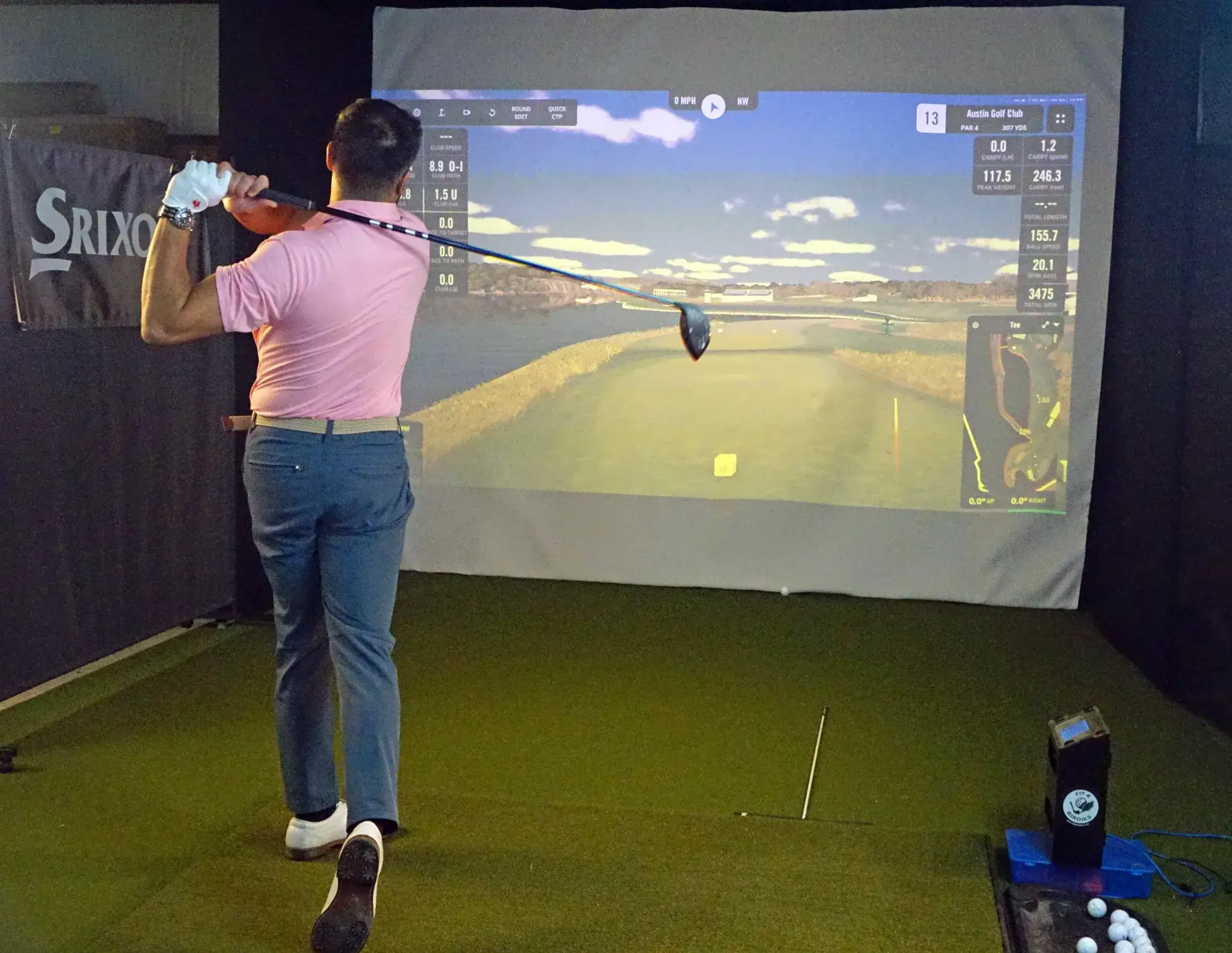
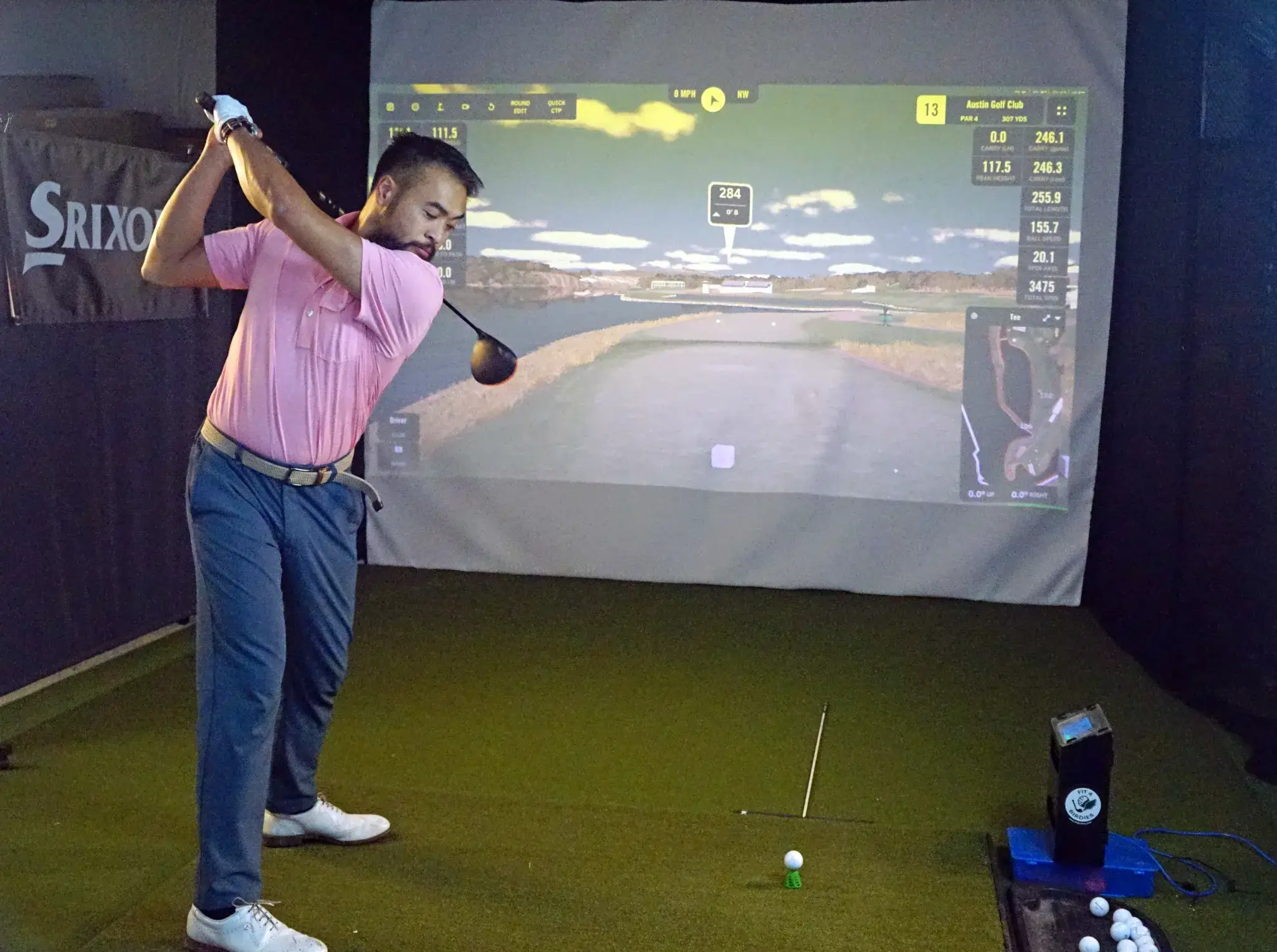
We fit on a GCQuad Max, which reads the club and the ball on every swing rather than estimating one from the other. The recommendation is only as good as the numbers behind it.
We are not tied to a manufacturer. If your current driver is already the right head for you, we will say so and you will leave having spent the fitting fee and nothing else. A fitting that ends in “keep what you have” is a successful fitting.
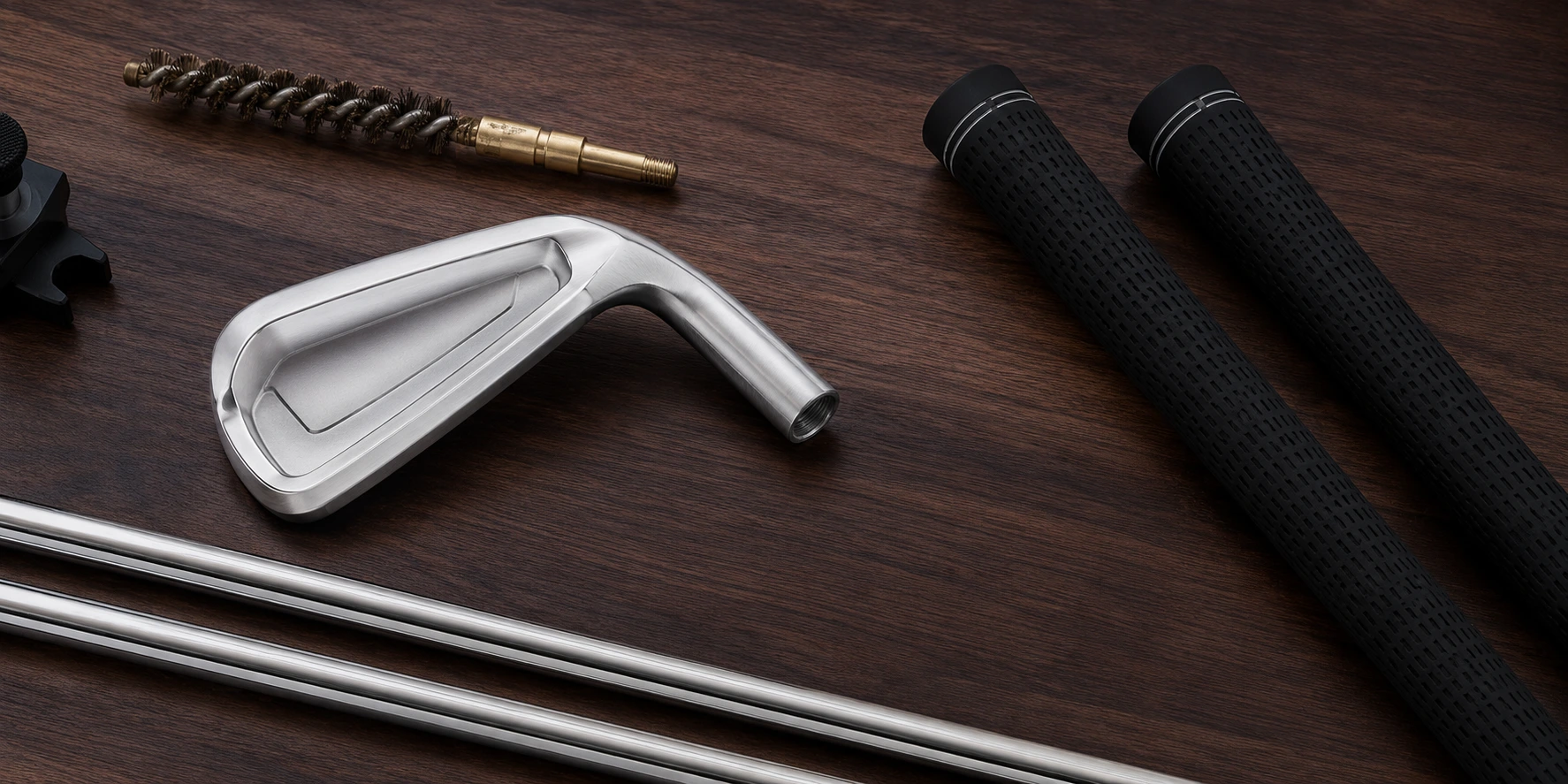
Builds happen in our own shop. Most orders go out the same week, and grips are frequently done same day.
No house brand. No pressure to buy.
We fit on a GCQuad Max, which reads the club and the ball on every swing rather than estimating one from the other. The recommendation is only as good as the numbers behind it.
We are not tied to a manufacturer. If your current driver is already the right head for you, we will say so and you will leave having spent the fitting fee and nothing else. A fitting that ends in “keep what you have” is a successful fitting.
Builds happen in our own shop. Most orders go out the same week, and grips are frequently done same day.
26+ Years
Exclusive golf coaching tailored to your playing style.
32+ Awards
Exclusive golf coaching tailored to your playing style.
Lessons with Expert Coach
Ball-flight first. Coach fixes what the ball is doing before he changes what your body is doing — no model swing, no template.
What Makes Us Different
What Makes the Fit 4 Birdies Approach Different?
Good equipment fitting is not simply about finding a club that produces a better number during a few swings. The more useful question is how the equipment works with the golfer, how each club fits into the rest of the set, and whether the final specifications make sense for real play.
At Fit 4 Birdies, golf club fitting is built around that broader view. The goal is to understand the relationship between the golfer, the club, and the performance outcome before deciding whether an equipment change is actually necessary.
The Goal Is a Better-Matched Set, Not Just New Clubs
A new club can produce impressive numbers without necessarily improving the way the entire bag performs.
Consider a golfer who gains distance with a new iron but creates a larger gap between the longest iron and hybrid. Or a driver that adds speed but produces a wider dispersion pattern. The individual club might look successful in isolation while creating a problem elsewhere in the set.
That is why equipment decisions need context.
A fitting should consider carry distance, launch, spin, peak height, descent, strike, dispersion, and gapping together. These measurements help establish whether a change solves a real performance issue or simply introduces another variable.
Equipment Variables Work Together
Club specifications do not operate independently.
Shaft weight and profile can influence how a golfer delivers the club. Loft affects launch and spin. Length can influence both speed and strike location. Lie can affect impact conditions and directional tendencies. Head design influences factors such as forgiveness, stability, and speed.
The important part is how these variables interact.
A specification that looks ideal on paper can produce a different result when paired with another head or shaft. That is why custom golf club fitting should involve testing relevant combinations rather than selecting individual components from a specification chart.
The objective is not to find the most extreme number. It is to identify a combination that produces useful, repeatable performance for the golfer using it.
Why the Set Matters as Much as the Individual Club
The best-fitting individual club is not always the best addition to a golfer’s bag.
A properly built set should have logical progression from club to club. Distance gaps need to be manageable. Launch and descent characteristics should support how each club is intended to be used. Wedge lofts need to create useful scoring distances, while longer clubs need to provide practical separation without unnecessary overlap.
This is where full golf club fitting becomes particularly valuable.
Instead of evaluating each club as a separate purchase, the entire bag can be viewed as one equipment system. The process can identify where the current setup is already performing well and where changes could improve consistency, distance control, or gapping.
Fitted Golf Clubs Should Have a Reason Behind Them
Fitted golf clubs should not simply be different from what you already own. Each specification should have a reason.
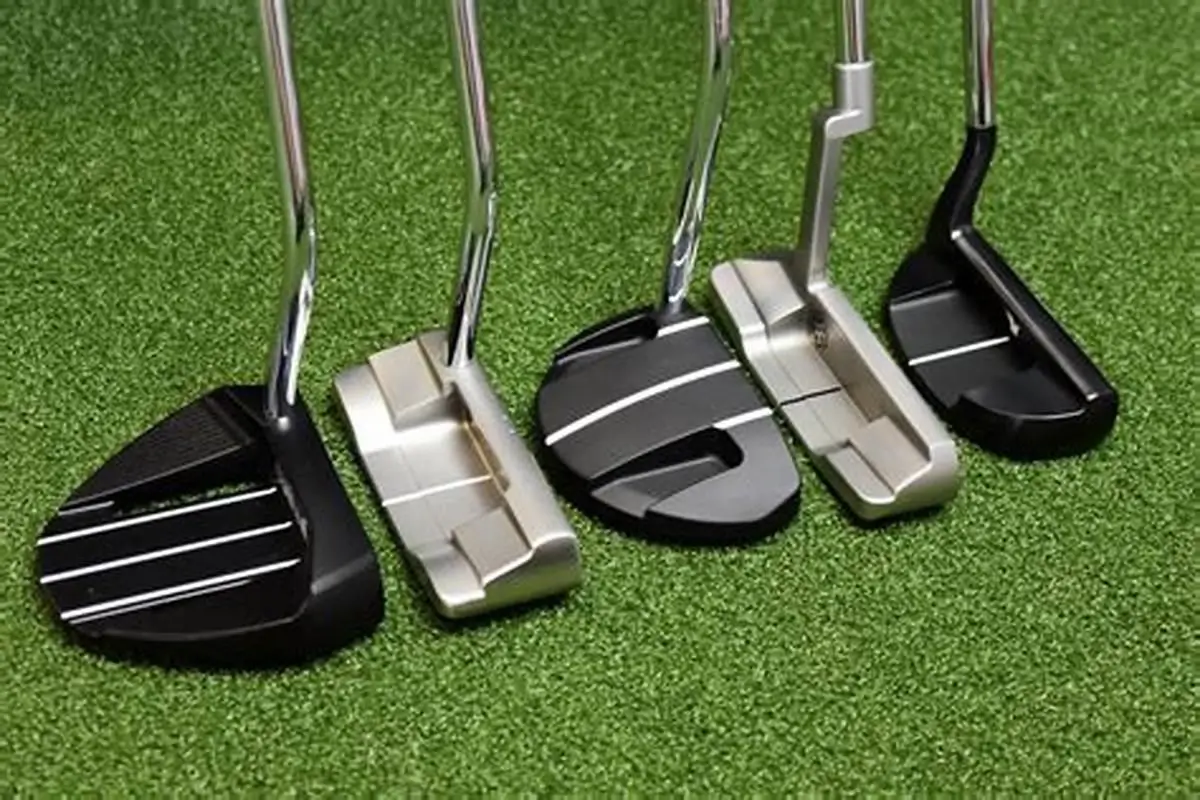
For one golfer, that reason could be tighter driver dispersion. For another, it could be more predictable iron carry. Someone else might need better wedge spacing or a putter setup that works more naturally with their stroke.
The value of fitting comes from connecting the equipment choice to the performance objective.
This also means that the answer is not always a new club. If the data shows that an existing club is performing well, keeping it can be the correct equipment decision. If a loft adjustment, shaft change, grip change, or other specification adjustment addresses the issue, replacing the entire club may not be necessary.
From Measurement to the Finished Club
The fitting process should not stop when a preferred combination is identified.
Fit 4 Birdies can carry the fitting process into the physical club through in-house building and equipment work. That connection matters because the specifications tested during a fitting need to translate accurately into the finished equipment.
Length, loft, lie, shaft, grip, and swingweight all contribute to how a club performs. A change in one specification can alter the relationship between the golfer and the club.
With in-house club work, fitting recommendations can be translated into a finished build, while existing equipment can also be adjusted when modification is the more appropriate solution.
Brand-Neutral Means Performance Comes First
There is a significant difference between fitting a golfer and selling a golfer a particular product.
A brand-neutral fitting process does not begin with the assumption that one manufacturer, model, or technology will be right for everyone. Different golfers create different delivery patterns, impact conditions, and performance requirements.
The equipment should therefore earn its place through testing.
That approach gives golfers a clearer understanding of why a particular head, shaft, loft, or configuration was selected. It also creates a more useful conversation when the data shows that the golfer’s current equipment is already a good match.
A More Complete Way to Think About Fitting
For golfers searching for golf club fitting near me, convenience is only one part of the decision. The quality of the process matters just as much.
A useful fitting environment should give golfers the opportunity to compare equipment, understand performance data, ask questions, and connect the recommendation to the way they actually play.
Fit 4 Birdies brings fitting, equipment evaluation, custom building, repairs, and practice opportunities together in one environment in Lakeway.
The result is a more connected equipment process. Instead of treating fitting, purchasing, building, and repairs as completely separate activities, each step can inform the next.
Golf club fitting ultimately has one purpose: helping golfers understand whether their equipment is supporting the way they play and identifying practical changes when it is not.